Applications Open for Summer 2026

Summer School
Cybersecurity, Threat Intelligence,
IoT, Blockchain & Computational Modeling

An intensive one-week program bringing together researchers, industry experts, and ambitious learners to explore the frontiers of cybersecurity, IoT, blockchain, and computational science.

Date May 4 – 9, 2026
Location Bucharest, Romania
Capacity 20 Participants
92
Days
00
Hours
00
Minutes
00
Seconds
20
Expert Instructors
30+
Lectures & Workshops
4
Intensive days of Learning
3
Hands-on Projects

Core Research Tracks

Dive deep into three interconnected domains that are shaping the future of digital infrastructure and scientific computing.

Secure Networks

Master the principles of network security, cryptographic protocols, and defense mechanisms against modern cyber threats.

  • Zero-Trust Architecture
  • Post-Quantum Cryptography
  • Intrusion Detection Systems
  • Secure Protocol Design
  • Threat Modeling & Analysis

Blockchain Technologies

Explore distributed ledger systems, consensus mechanisms, and the next generation of decentralized applications.

  • Consensus Algorithms
  • Smart Contract Development
  • Layer 2 Scaling Solutions
  • DeFi & Tokenomics
  • Privacy-Preserving Protocols

Computational Modeling

Learn advanced simulation techniques, numerical methods, and data-driven modeling for complex systems.

  • Agent-Based Modeling
  • Monte Carlo Methods
  • Network Analysis & Dynamics
  • High-Performance Computing
  • ML for Scientific Computing

Daily Schedule

A carefully curated program balancing theoretical foundations with hands-on workshops and collaborative projects.

10:00

Morning Keynote, Daily opening lecture

Hack the Mindset: Innovation, Security, and Tomorrow’s World

Dr. Marius Iulian Mihailescu, Faculty of Engineering and Computer Science, SPIRU HARET University, Romania
10:30

Inside the mind of a cyber attacker: The psychology behind digital threats

Cyber attacks are not driven by technology alone—they are driven by people, motives, and psychology. To effectively defend digital systems, we must first understand the human mindset behind malicious behavior. This presentation explores the psychology of cyber attackers, examining the motivations, decision-making processes, personality traits, and social engineering tactics that shape modern digital threats. From financial gain and ideological agendas to curiosity, revenge, and the pursuit of status, attackers operate with diverse intentions and methods. By analyzing how they think, plan, manipulate, and exploit trust, participants will gain valuable insight into the human factors of cybersecurity. Understanding the attacker’s mindset is a critical step toward building stronger defenses, improving awareness, and creating a more resilient digital future.

Dr. Marius Iulian Mihailescu, Faculty of Engineering and Computer Science, SPIRU HARET University, Romania
11:00

Cyber Geopolitics: HUMINT, SIGINT, GEOINT in Military and Diplomatic Operations

This talk explores the growing intersection between cybersecurity, geopolitics, and intelligence disciplines in an era defined by digital competition and hybrid threats. Titled Cyber Geopolitics: HUMINT, SIGINT, GEOINT in Military and Diplomatic Operations, the session examines how Human Intelligence (HUMINT), Signals Intelligence (SIGINT), and Geospatial Intelligence (GEOINT) are increasingly integrated to support national security decision-making, military planning, and diplomatic strategy. As cyber operations become central to statecraft, intelligence agencies and defense institutions rely on multi-source intelligence fusion to identify emerging threats, attribute hostile actions, protect critical infrastructure, and shape strategic responses. The talk highlights how cyber espionage, information warfare, satellite surveillance, communications interception, and human-source networks now operate within a common strategic framework. Special attention is given to the relevance of these developments for emerging technologies such as the Internet of Things (IoT) and Blockchain ecosystems. Expanding IoT infrastructures create new intelligence opportunities and attack surfaces, while Blockchain technologies introduce both resilience mechanisms and novel security challenges. Understanding how intelligence capabilities interact with these technologies is essential for future cybersecurity professionals. Designed for participants of the Summer School on Cybersecurity, IoT and Blockchain, the talk combines real-world case studies, strategic analysis, and forward-looking insights to help students understand how cyber power, intelligence operations, and global security dynamics are reshaping the modern threat landscape.

Dr. Marius Iulian Mihailescu, Faculty of Engineering and Computer Science, SPIRU HARET University, Romania
11:30

Reading Plasma Light: Futuristic spectroscopy for light analyses

This presentation focuses on light-based plasma diagnostics as a gateway to controlling the chemistry of cold atmospheric-pressure plasma jets. Using optical emission spectroscopy, the study analyzes how molecular nitrogen and oxygen injection modifies the light emitted by key plasma species. By comparing conventional premixed injection with a Y-shaped in-discharge injection geometry, the work shows how spectral signatures reveal changes in plasma stability, radical formation, electron density, and rotational temperature. The Y-DBD configuration enables stable operation at much higher molecular gas fractions, while maintaining strong and balanced emission from reactive species. In contrast, the I-DBD configuration offers selective enhancement of NO emission but is limited by rapid plasma destabilization.

Catalin-Ionut Constantin, Ph.D. Student, National Institute for Laser, Plasma & Radiation Physics (INFLPR), Romania
12:00

National Cybersecurity Ecosystem

Romania’s national cybersecurity ecosystem is built on cooperation between government institutions, critical infrastructure operators, private industry, academia, and international partners, with the National Directorate of Cybersecurity (DNSC) serving as a central pillar. As the national authority for civilian cyberspace, DNSC coordinates prevention, incident response, awareness, resilience programs, and strategic policy development to strengthen the country’s digital security posture. Through public-private collaboration, education initiatives, threat intelligence sharing, and alignment with European cybersecurity frameworks, Romania continues to mature its capabilities against evolving cyber threats. This presentation highlights how a coordinated national ecosystem can enhance trust, innovation, and resilience in an increasingly interconnected world.

Dr. Cornel Argint, National Directorate for Cyber ​​Security (DNSC), Romania
12:30

Artificial Intelligence (AI) in Veterinary Medicine: From Assistance to Limitations

Artificial intelligence is transforming veterinary medicine through applications already operational in medical imaging, assisted diagnostics, clinical workflow management, and owner-facing digital platforms. AI algorithms have demonstrated superior screening performance — including hyperadrenocorticism detection at 96.3% sensitivity and 97.2% specificity — while smart stethoscopes now enable early detection of hypertrophic cardiomyopathy in cats, and mobile applications bring AI-assisted triage directly to pet owners. Yet technology alone does not define this transformation: it is shaped by data quality, institutional trust, and the ethical frameworks governing its use. This presentation examines the motivations behind AI adoption in veterinary practice, the decision-making logic of algorithmic systems, and the risks that emerge when clinical judgment is delegated to opaque models — including hallucinations, algorithmic bias, and overdiagnosis. A case study on AI integration in intensive carp aquaculture illustrates both the precision gains and the ethical tensions inherent in automated veterinary decision-making. Understanding how AI systems think, fail, and influence clinical outcomes is a critical step toward building responsible frameworks, improving practitioner awareness, and ensuring that technological progress genuinely serves animal welfare.

Anda Andreea (Ardelean) Nacreala, Ph.D. Student, University of Agricultural Sciences and Veterinary Medicine, Cluj-Napoca, Romania
13:00 - 14:00

Lunch break, Coffee Time!

14:00

Monitoring and digital assistance system for type 1 diabetes management

Maintaining optimal blood glucose levels requires accurate insulin dosage, proper carbohydrate counting, regular physical activity, and effective stress management. This paper presents a software application designed to support individuals with type 1 diabetes in managing these aspects effectively. The application provides functionality for calculating carbohydrate content of meals based on user-input data, helping users make more informed nutritional decisions. In addition, it improves user safety by enabling real-time monitoring of blood glucose levels and generating alerts when critical thresholds are reached. These alerts ensure that relevant information about the user’s condition can be quickly accessed in emergency situations. Furthermore, the application facilitates communication between individuals with type 1 diabetes through a social component that allows connection with trusted users, promoting mutual support and timely assistance. By integrating monitoring, communication, and alerting mechanisms, the system aims to reduce user stress and increase confidence in daily disease management. Overall, the proposed solution enhances self-management, awareness, and responsiveness in situations where rapid intervention may be necessary.

Vladut Gidea, Faculty of Engineering and Computer Science, SPIRU HARET University, Romania
14:30

AI Platform for Real-Time Detection of Cyber Threats

The project addresses system vulnerabilities to modern cyberattacks, that start to use Artificial Intelligence to bypass traditional security layers. Since the data volume is exceeding human capacity to monitor network traffic logs, the proposed platform uses Artificial Intelligence to detect threats such as DDoS , Flood , Port Scan. Unlike slow manual log analysis, the platform has an Autoencoder model trained based on a normal activity dataset and reacts in real time. The system also features a modern graphical dashboard to help specialists in cybersecurity understand the potential risks. The goal is to effectively protect the data of online environments that get more dangerous by day.

Rares Muntean, Faculty of Engineering and Computer Science, SPIRU HARET University, Romania
15:00

Card Component Gallery

Card Component Gallery is a modern full-stack web application designed to showcase reusable UI card components in a clean and interactive interface. The project demonstrates how different types of cards (such as profile cards, product cards, and pricing plans) can be dynamically generated and displayed within a responsive layout. The front-end of the application is built using HTML, CSS, and JavaScript, focusing on a minimalist design and a smooth user experience. The interface allows users to visualize multiple card types in a structured gallery format, with filtering options that enhance usability and organization. On the back-end, the application uses Node.js and Express to create a lightweight server that provides data through a custom API endpoint. The card information is stored in a JSON file, making the content easy to manage and extend. Through asynchronous requests (fetch), the front-end retrieves this data and renders the components dynamically, transforming the application from a static page into a data-driven experience. This project highlights essential web development concepts such as separation of concerns, client-server communication, dynamic rendering, and reusable component design. It also serves as a foundation for more advanced applications that could integrate databases, authentication systems, or real-time features.

Vasile-Ionut Bara, Faculty of Engineering and Computer Science, SPIRU HARET University, Romania
15:30

Modern Styled Login/Register Page with Smooth UX/UI and Security Features

This project involves the creation of a modern, visually appealing, and highly interactive Login and Register page. The main focus was placed on delivering an excellent User Experience (UX) and User Interface (UI) through elegant design, smooth transitions, animations, and intuitive navigation between login and registration forms. The interface features a dynamic modal popup system, real-time visual field validation, and polished animations that enhance user engagement. A looping background video was integrated to create an immersive and contemporary aesthetic. Special attention was given to responsive design, color harmony, typography, and micro-interactions. On the technical side, the frontend was developed using HTML5, CSS3, and vanilla JavaScript. For security, Google reCAPTCHA v2 was implemented to protect the registration form against spam and automated bots. The system is supported by a backend built with Node.js, Express.js, and a MySQL database (managed via MySQL Workbench), ensuring secure user data storage with password hashing using bcrypt. This project successfully combines modern web design principles with functional backend development, resulting in a beautiful, responsive, and secure authentication interface.

George-Alexandru Dumitru, Faculty of Engineering and Computer Science, SPIRU HARET University, Romania
16:00

Authentication System / Stop Building Auth from Scratch — This Complete System Does It All

This project presents a complete authentication system that allows users to register, log in, and log out securely. It includes essential features such as password reset and email verification. Security is ensured through the use of JWT tokens, the bcrypt algorithm for password hashing, as well as rate limiting and security headers. The goal of the project is to provide a modern, secure, and easy‑to‑integrate solution for managing authentication in a web application.

Valentin Florentin Ciuvica, Faculty of Engineering and Computer Science, SPIRU HARET University, Romania
16:30

AI-Based Predictive Maintenance and Intelligent Alarm Management in Maritime Navigation Systems

This work explores the integration of Artificial Intelligence (AI) into the predictive maintenance and management of maritime navigation systems. Modern vessels rely on complex electronic equipment such as ECDIS, RADAR, GPS, and AIS, whose reliability is critical for operational safety and efficiency. Traditional maintenance approaches, based on scheduled or reactive strategies, are insufficient in dynamic maritime environments. The proposed approach leverages Machine Learning (ML) techniques for anomaly detection, signal processing, and predictive analysis using data collected from onboard navigation equipment. The system enables early fault detection, intelligent alarm classification, and adaptive maintenance strategies. Simulation models implemented in Python demonstrate the feasibility of time-series prediction and pattern recognition using neural networks. The results indicate significant improvements in system reliability, reduction of downtime, and enhanced decision support for maritime operators. This work contributes to the development of smart shipping systems and supports the transition toward autonomous and digitally enhanced maritime operations.

Dr. Laurentiu Bogdan Asalomia, Northern Maritime Limited, Scotland

Meet the Organizers

The summer school is curated by an academic committee dedicated to bridging cybersecurity research, blockchain innovation, and computational science.

Dr. Marius Iulian Mihailescu MM
Program Chair

Dr. Marius Iulian Mihailescu

Faculty of Engineering and Computer Science,
SPIRU HARET University, Romania

Dr. Marius Iulian Mihailescu is an accomplished professional with a strong background in leadership, organization, and interdisciplinary collaboration. As Chair of this Summer School, he brings energy, vision, and a commitment to academic excellence, fostering an engaging environment for learning, innovation, and international exchange. His dedication to supporting young talent and creating meaningful educational experiences makes him a valued leader of this initiative.

Cybersecurity Blockchain Secure Software Engineering Internet-of-Things
Dr. Valentina Marascu VM
Program Chair

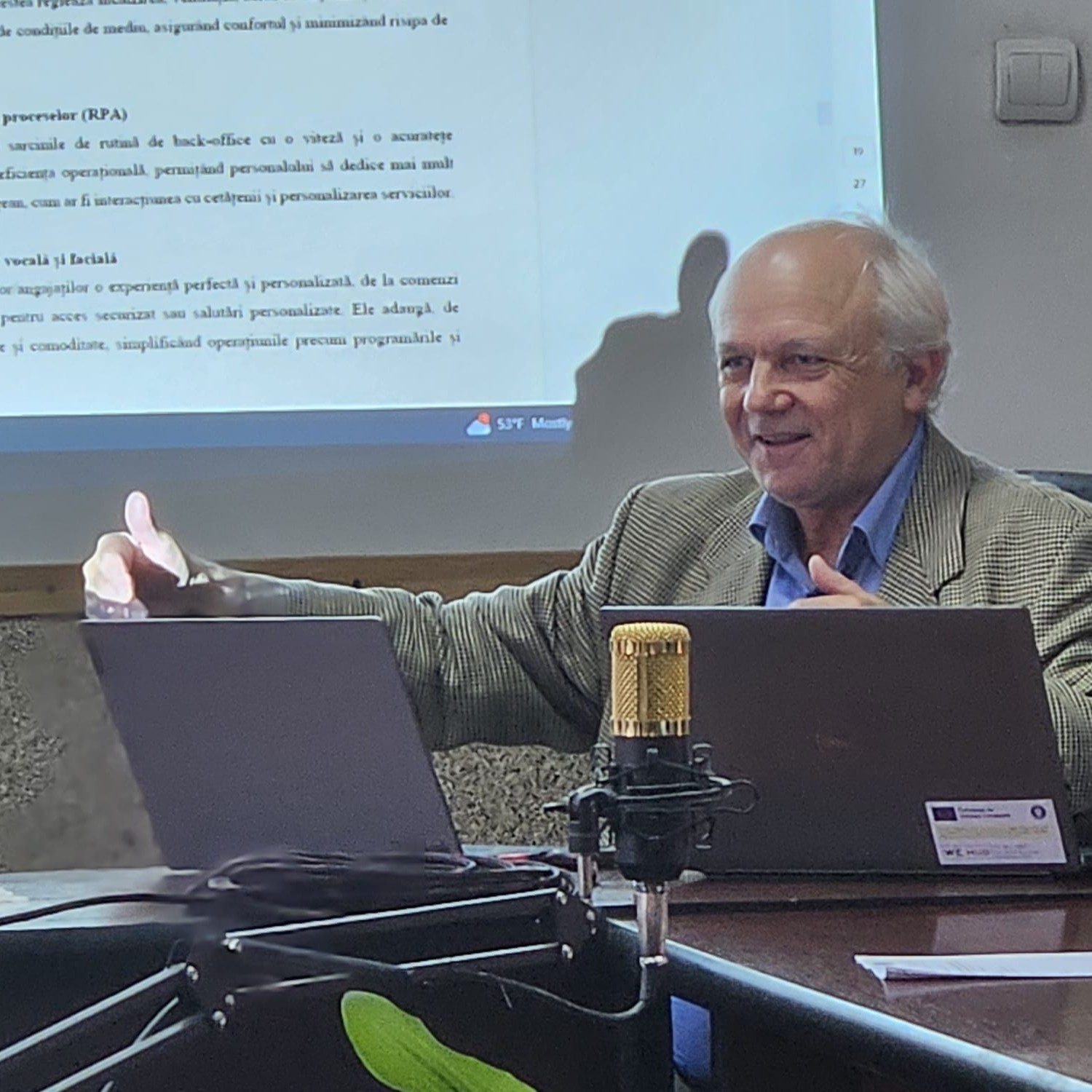
Dr. Valentina Marascu

Faculty of Engineering and Computer Science, SPIRU HARET University; & National Institute for Laser, Plasma & Radiation Physics (INFLPR), Romania

Dr. Valentina Marascu is a distinguished academic and dedicated professional with extensive experience in education, research, and international collaboration. As Chair of this Summer School, she brings expertise, leadership, and a strong commitment to academic excellence, creating an inspiring environment for learning and professional growth. Her passion for mentoring young scholars and advancing innovative initiatives makes her an invaluable leader of this program.
Computational Modeling Applied Physics Scientific Computing
Dr. Grigore Albeanu VM
Program Chair

Dr. Grigore Albeanu

Faculty of Engineering and Computer Science, SPIRU HARET University, Romania

Dr. Grigore Albeanu is a highly respected academic and accomplished professional with extensive expertise in education, research, and scientific development. With a distinguished career dedicated to advancing knowledge and promoting excellence, he has made significant contributions to both academia and interdisciplinary collaboration. As Chair of this Summer School, he brings outstanding leadership, strategic vision, and a deep commitment to creating a dynamic environment for learning and innovation. His passion for mentoring young scholars, encouraging critical thinking, and supporting the next generation of professionals makes him an essential and inspiring leader of this educational initiative.

Software Reliability Soft Computing Scientific Computing Modelling and Simulation
Dr. Nicoleta Iacob VM
Program Chair

Dr. Nicoleta Iacob

Faculty of Engineering and Computer Science, SPIRU HARET University, Romania

Dr. Nicoleta Iacob is recognized for her dedication to academic excellence, innovation, and interdisciplinary collaboration. Through her continuous involvement in education and academic initiatives, she has contributed significantly to creating a dynamic and supportive environment for students and young researchers. As part of the Summer School initiative, her professionalism, leadership, and enthusiasm have played an important role in fostering meaningful collaboration, intellectual exchange, and professional development. Her commitment to mentoring and encouraging emerging talents makes her a highly appreciated and valuable contributor to the success of this event.

Software Engineering Databases Programming Languages AI and ML
Dr. Stefania Loredana Nita VM
Program Chair

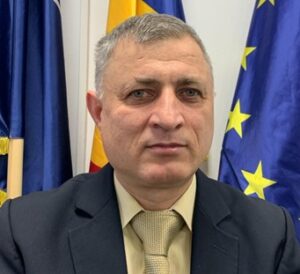
Dr. Stefania Loredana Nita

Institute for Computers, Romania

Dr. Stefania Loredana Nita is a distinguished academic and dedicated professional with extensive experience in education, research, and interdisciplinary collaboration. Throughout her career, she has demonstrated a strong commitment to academic excellence, innovation, and the development of high-quality learning environments. As Chair of this Summer School, she brings valuable leadership, expertise, and enthusiasm, fostering an inspiring atmosphere for intellectual exchange and professional growth. Her passion for mentoring students and supporting emerging talents makes her an essential and highly appreciated leader of this initiative.

Cybersecurity Cloud Computing DevOps Internet-of-Things AI and ML

Distinguished Speakers

Learn from researchers and industry pioneers at the forefront of their fields.

Dr. Cornel Argint

Dr. Cornel Argint

Senior Cybersecurity Manager
National Directorate for Cyber ​​Security
Romania
Dr. Cristian Kevorchian

Dr. Cristian Kevorchian

Researcher and Associate Professor
University of Bucharest
Romania
Silviu Racuciu

Silviu Racuciu

General Manager
Euro-Testing Software Solutions
Romania
Catalin Moisei

Catalin Moisei

Chief Technology Officer
CyBourn
Romania

Andreas Poletti

Andreas Poletti

DevOps Architect
Poletti Technologies
Romania
Dr. Florin postolache

Dr. Florin Postolache

Associate Professor
Mircea cel Batran Naval Academy
Constanta, Romania
Georgiana Tudor

Andreea Georgiana Tudor

Cybersecurity Engineer
Resideo
Bucharest, Romania
Cristian Apostol

Dr. Cristian Apostol

Mobile Network Manager
Telecom26 AG
Zug, Switzerland

Eligibility & Selection Criteria

This program is completely free. We welcome motivated individuals from diverse backgrounds who are passionate about advancing their expertise.

Target Audience

We encourage applications from:

  • PhD Students & Researchers Working in computer science, cybersecurity, distributed systems, or computational sciences
  • Graduate Students (MSc) Final-year masters students with strong academic records in relevant fields
  • Industry Professionals Engineers and developers seeking to deepen expertise in security or blockchain
  • Postdoctoral Researchers Early-career academics exploring interdisciplinary research directions

Required Background

Applicants should demonstrate:

  • Programming Proficiency Solid experience with Python, and familiarity with C/C++ or Rust is a plus
  • Networking Fundamentals Understanding of TCP/IP, protocols, and basic network architecture
  • Mathematical Foundations Linear algebra, probability, statistics, and discrete mathematics
  • English Proficiency All lectures and materials are delivered in English

Selection Criteria

Our committee evaluates applications based on the following weighted criteria:

30%
Academic Excellence
GPA, publications, research output
25%
Motivation Statement
Clear goals and relevance to research
20%
Technical Background
Relevant skills and project experience
15%
Recommendation Letter
Support from academic supervisor
10%
Diversity & Inclusion
Geographic and demographic balance

Required Application Documents (only for foreigners)

Updated CV/Resume
Motivation Letter (500 words)
Academic Transcripts
One Recommendation Letter
Passport Copy (for visa)
English Proficiency (if applicable)
Application Deadline
May 1st, 2026

Continous application

Start Application

Venue & Accommodation

Experience learning in one of the most beautiful countries of Europe's.

Fabricii Campus — A Building, 4th Floor, Room 1400

46G Fabricii Street, 6th District, Bucharest, Romania

High-speed WiFi
Modern Computer Labs
On-site Cafeteria
10 minutes from Petrache Poenaru Metro Station

Getting There

By Air

Otopeni Airport (OTP) is 30-45 minutes by metro/subway.

By Train

Bucharest Train Station (North Train Station) is a major European rail hub with connections from all major cities.

Accommodation

Booking assistance provided after registration.

Organized By

Academic partner logo Academic partner logo

Partners & Institutions

Our summer school is made possible through the support and collaboration of leading universities, research institutes, and industry partners.

Our Partners

Partner roster is being finalized — additional collaborators will be announced soon.

Frequently Asked Questions

What are the prerequisites for attending?

Participants should have a strong background in computer science, mathematics, or a related field. Familiarity with programming (Python preferred), basic networking concepts, and undergraduate-level mathematics is expected.

Is the program really free?

Yes, the Summer School is completely free of charge for accepted participants. This includes all lectures, workshops, course materials, and daily meals. Participants are only responsible for their own travel and accommodation costs.

Can I attend only one day?

The program is designed as an integrated one-week experience. However, we do offer partial attendance options for professionals with scheduling constraints. Please contact us to discuss your specific situation.

When will I know if I'm accepted?

Applications close on May 1st, 2026. All applicants will be notified of the selection committee's decision by May 1st, 2026.

Will sessions be recorded?

Select lectures will be recorded and made available to registered participants for 6 months after the program. Hands-on workshops and interactive sessions are not recorded to encourage active participation.

Ready to Shape the Future?

Join 80 ambitious learners from around the world for two weeks of intensive learning and collaboration — completely free of charge.

Check Eligibility & Apply